Organisation
3→25peopleScaled Research and Product Design from a small central team into a multidisciplinary function operating across five business units.
Research & Product Design leadership.
I build and lead Research and Product Design teams that help organisations understand their customers, make better product decisions and create better products.
My work brings together Research, Product Design, Analytics and customer insight, connecting evidence to product direction and the realities of building and scaling digital products.
Leadership
Research and Design should reduce uncertainty and help teams understand the problems that matter. I bring customer insight, behavioural data and product thinking together to build that understanding before committing to solutions.
Evidence should inform creativity, not constrain it. I create space for teams to explore ideas, challenge assumptions and experiment with different approaches, using Research and Design to identify opportunities as well as solve known problems.
Strong teams need the foundations to make good decisions independently. I create shared standards, tools and ways of working that improve quality and consistency without making teams dependent on centralised Research or Design.
Not every problem needs the same process. I adapt the depth of Research and Design to the risk, value and uncertainty involved, helping teams move quickly while protecting customer understanding, accessibility and experience quality.
As teams scale, my role is increasingly about creating the conditions for others to succeed. I develop managers and senior ICs, establish clear ownership and give teams the autonomy and support they need to make good decisions.
Customer needs do not exist separately from product strategy, technology or commercial goals. I bring these perspectives together, working across disciplines to turn customer understanding into product direction, priorities and opportunities.
Impact
Scaled Research and Product Design from a small central team into a multidisciplinary function operating across five business units.
Reduced discovery and inception from 12 weeks to as little as two by introducing a risk-based approach shaped around value, reach, confidence and uncertainty.
Led Research and Design work supporting a 27% increase in adoption of the new MIS over 12 months, identifying and reducing barriers to moving from long-established legacy products.
Led large-scale research uncovering customer behaviours and unmet needs, informing product strategy, investment decisions and new opportunities.
ParentPay
ParentPay Group operates a complex portfolio of consumer and B2B products across the UK and Europe.
Research and Design capability was concentrated around a small part of the portfolio. Across the Group, products and business units had different levels of UX maturity, different ways of working and inconsistent access to customer evidence.
Teams were also supporting established products and legacy technology while developing the next generation of services.
The challenge was bigger than scaling a Design team.
We needed to build Research and Product Design capability that could work across different products, technologies and organisational contexts, while improving product quality and giving customer evidence a stronger role in product decisions.
That meant scaling capability without creating central dependency, improving consistency without forcing products into identical solutions, and introducing better ways of working without slowing delivery.
As the function grew, I established clearer ownership across Design Managers and senior ICs, developing leadership capability and moving away from decisions depending on a small central team. This allowed Research and Design to operate across multiple business units while maintaining shared direction and standards.
I built in-house Research capability and brought research, behavioural analytics and customer feedback closer to product direction and prioritisation, helping teams understand behaviour, identify unmet needs and reduce uncertainty before committing to solutions.
I introduced a risk-based approach to discovery based on what teams already knew and the value, reach, confidence and uncertainty involved, allowing deeper investment where risk justified it and faster progress where strong evidence already existed.
I worked with Design and Engineering to establish shared foundations for consistency, accessibility and delivery, including a headless design system embedded within Engineering that could support products with different technologies and requirements.
Research and Design evolved into a group-wide capability with measurable impact across customers, teams and product delivery.
Research and Design supported a 27% increase in adoption of the new MIS over 12 months, while large-scale research reaching up to 20,000 participants informed product strategy, investment decisions and new opportunities.
Risk-based discovery reduced inception from 12 weeks to as little as 2 weeks, while building in-house Research capability reduced external research spend by £55k annually.
I also established shared experience measurement across CSAT, NPS, behavioural analytics and customer insight, creating consistent evidence for product decisions and board-level reporting.
Shared Design and Engineering foundations improved the scalability, consistency and accessibility of experiences across the portfolio.
ParentPay
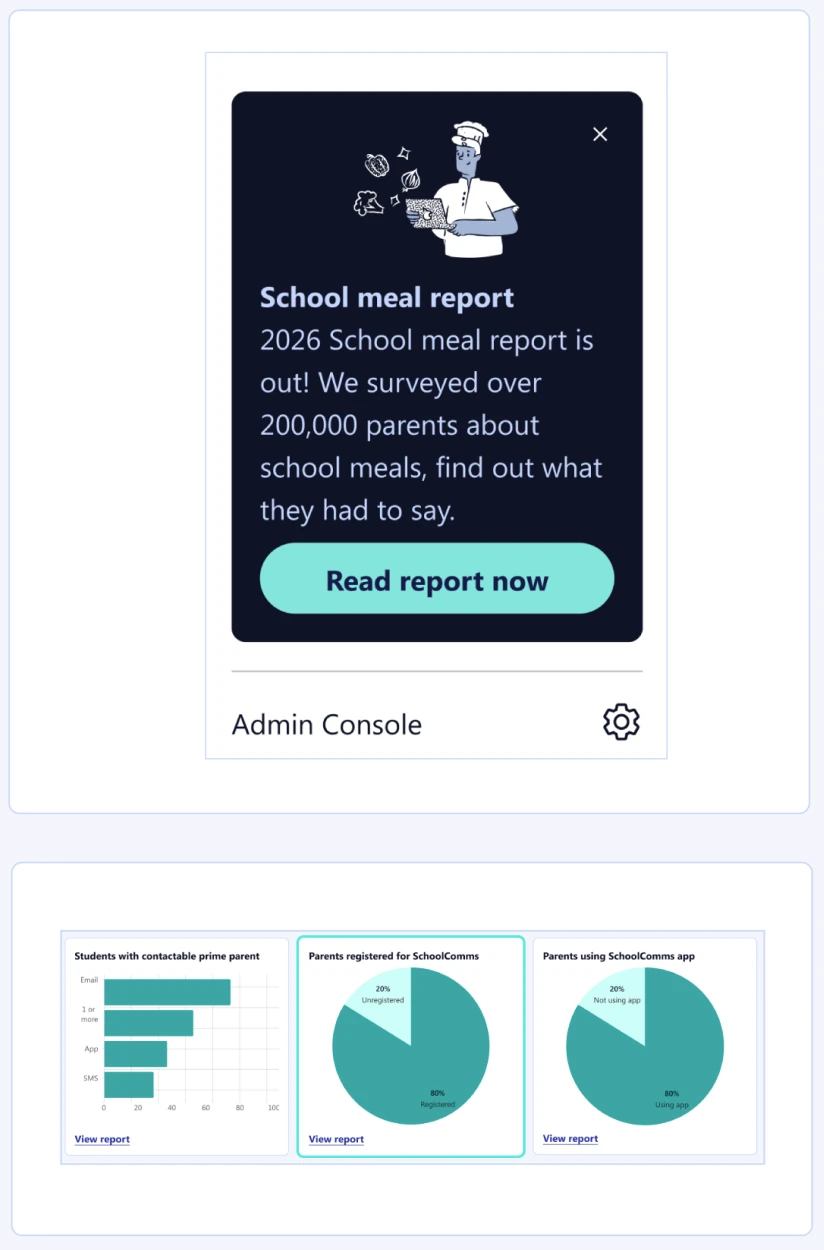
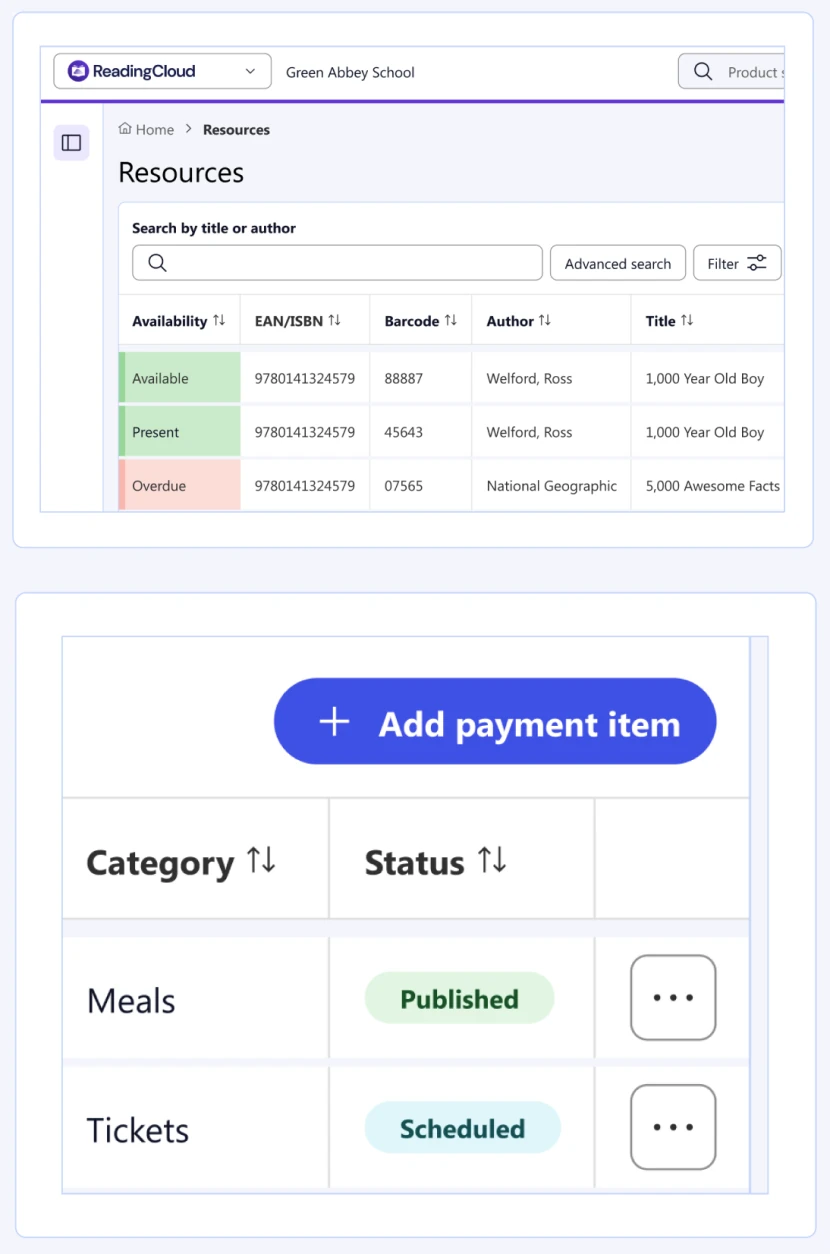
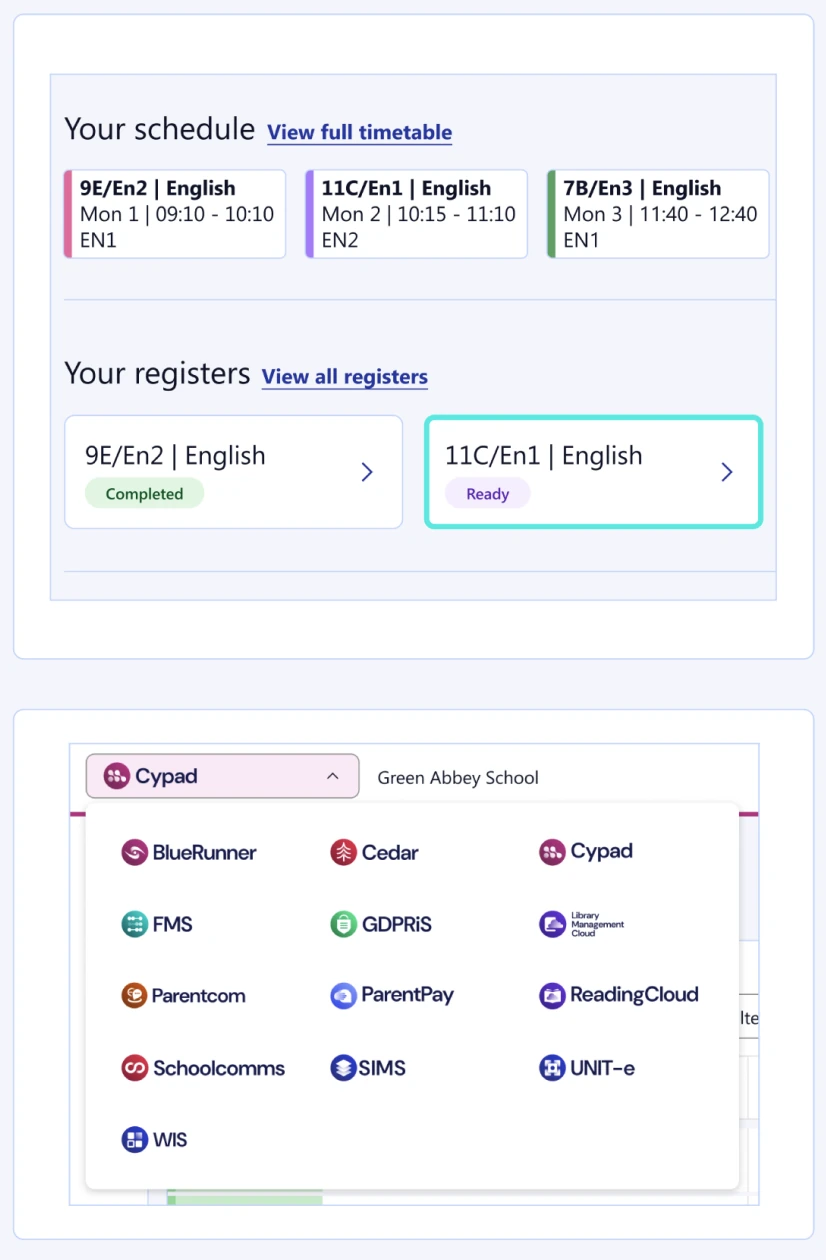
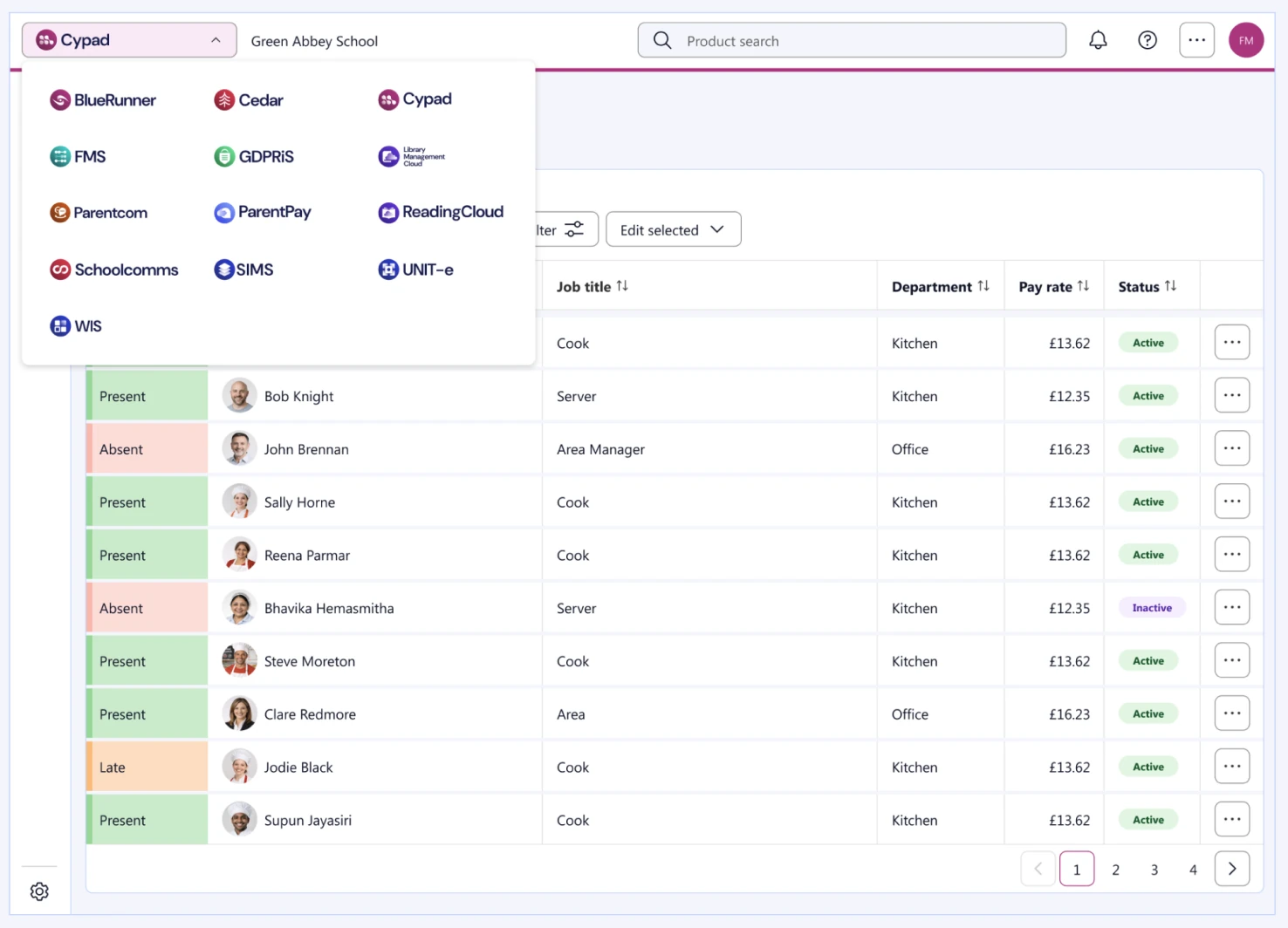
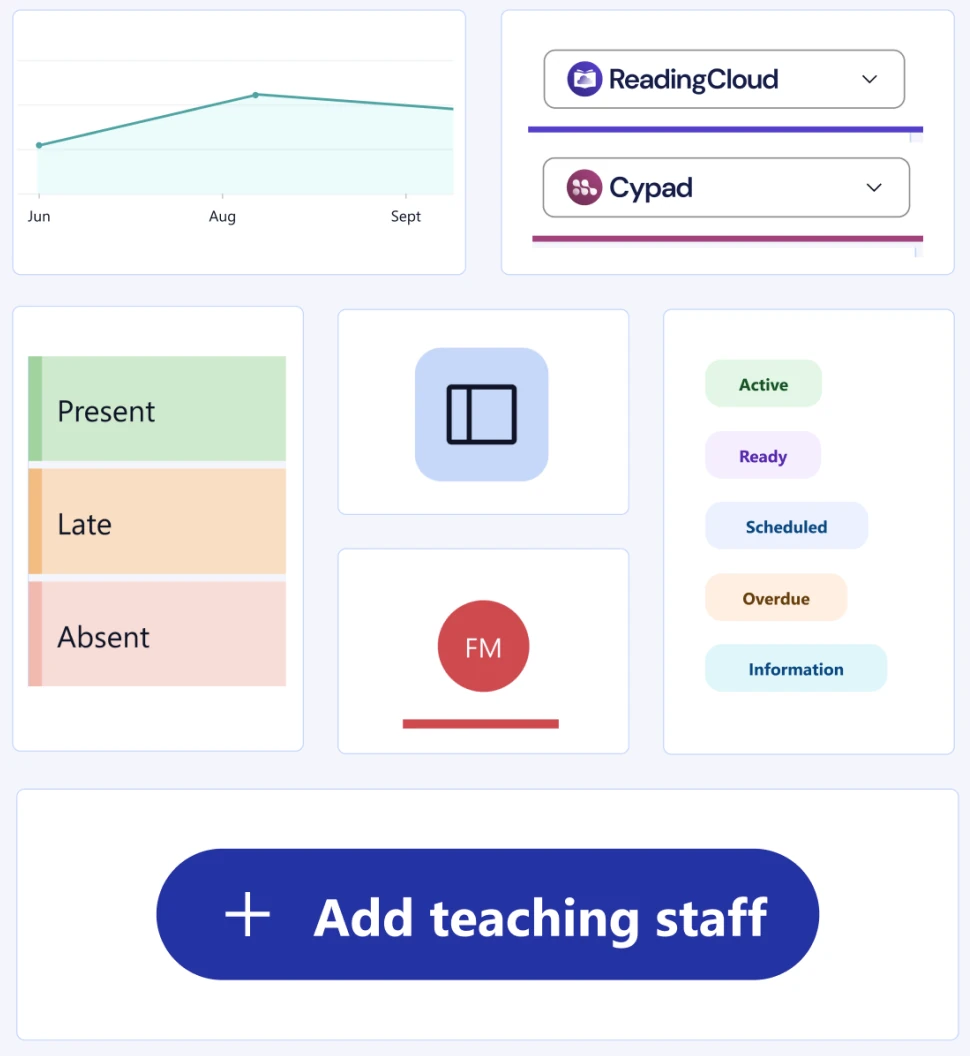
Examples from across the ParentPay portfolio showing how shared design foundations translated into individual product experiences across different users, products and technologies.
Career
2021 → Present
ParentPay Group
Group Head of Research and Product Design. Research and Product Design leadership across a multi-product consumer and B2B organisation.
Current
2020 → 2021
EDF
Head of Digital Design. Consumer experience and UX leadership across large-scale, regulated energy products.
Energy
2019
RSA
Head of Experience Design, Contract. Experience Design leadership across customer journeys and internal platforms.
Insurance
Senior and lead Design roles across Fidelity International, Pfizer, Accordo Group and RSA, spanning consumer and enterprise products across financial services, healthcare, insurance and technology.